Understanding What Drives Training Success
Food-Motivated Dogs vs Non-Food-Motivated Dogs
Anyone who has spent time training dogs will quickly notice that not all dogs are motivated by the same rewards. Some will eagerly offer a sit, down, or paw the moment a treat appears, while others seem far more interested in exploring their surroundings than earning a snack.
This variation in motivation is entirely normal. Like people, dogs are individuals with unique preferences, personalities, and priorities. Understanding what motivates a particular dog—whether that is food, play, praise, or another reward—can significantly improve training outcomes and strengthen the learning experience for both dog and dog parent.
What Does Food Motivation Mean?
A food-motivated dog is one that is strongly driven by food rewards during training and learning activities. In behavioural science, food is considered a primary reinforcer because it fulfils a biological need and naturally encourages behaviours that lead to obtaining it (McConnell, 2002).
This is one reason food is so commonly used in positive reinforcement training. When a desired behaviour is immediately followed by a reward, the likelihood of that behaviour being repeated increases (American Veterinary Society of Animal Behavior, 2021).
For many dogs, the simple sight or scent of a treat creates instant focus, enthusiasm, and engagement.

Why Food Rewards Are So Effective
Food is one of the most powerful training tools available because it provides both motivation and clarity.
Research suggests that rewarding behaviours activates dopamine-related pathways in the canine brain that are associated with learning and positive emotional experiences, helping reinforce desired actions (Berns, Brooks and Spivak, 2015).
Food rewards also offer immediate feedback. When a dog performs a behaviour and receives a treat within seconds, the connection between action and reward becomes clear and easy to understand.
For this reason, food is frequently used when teaching foundational behaviours such as:
-
Sit
-
Stay
-
Come
-
Leave It
For many dogs, training becomes an enjoyable problem-solving exercise with a rewarding outcome.
When Dogs Show Less Interest in Food
While food is highly motivating for many dogs, it is not universally effective. Some dogs display only mild interest in treats, particularly when they are distracted, stressed, overstimulated, or already full.
Several factors can influence a dog's level of food motivation.
Breed Tendencies
Genetics and breed history can play a role in how dogs respond to rewards.
Certain breeds were developed to work independently and make decisions without constant human guidance. These dogs may naturally place greater value on environmental awareness, movement, or task completion than on food rewards (Serpell, 2017).
By contrast, breeds selectively bred to work closely alongside people—such as retrievers—often demonstrate a strong willingness to engage for food-based rewards.

Emotional State and Environment
A dog's surroundings can have a significant impact on motivation.
A dog that eagerly accepts treats in the quiet of home may refuse them entirely in a busy park filled with new sights, sounds, and smells. In these situations, environmental stimulation or stress may temporarily outweigh the value of food rewards (Overall, 2013).
This is often less about the treat itself and more about competing priorities in the dog's environment.
Individual Personality
Just as people have different preferences, dogs do too.
Some dogs genuinely value toys, games, physical affection, or social interaction more highly than food. For these individuals, a favourite tennis ball, a game of tug, or enthusiastic praise may be far more rewarding than a biscuit.
Understanding these preferences is often the key to successful training.
Training Dogs That Love Food
Food-motivated dogs can be exceptionally enjoyable to train because the reward is both clear and highly desirable. These dogs often learn new behaviours quickly and remain engaged throughout training sessions.
To maximise success while maintaining healthy habits, trainers generally recommend:
-
Using small treats to avoid overfeeding
-
Reserving higher-value rewards for new or challenging behaviours
-
Gradually introducing praise, toys, or life rewards once behaviours become reliable
This approach helps ensure that dogs continue responding to cues even when treats are not immediately available, while still benefiting from reward-based learning (AVSAB, 2021).

Training Dogs That Are Not Highly Food Motivated
When food does not generate much enthusiasm, trainers typically focus on identifying alternative reinforcers.
These may include:
-
Toys and games
-
Verbal praise
-
Physical affection
-
Access to desired activities or environments
For example, Tokyo loved chasing a ball and willingly performed fetch but “drop it” was never learnt as his reward after the “fetch” was a game of tug, the true motivator. Similarly, a dog that enjoys outdoor exploration may be motivated by access to a walk or the opportunity to investigate an interesting scent.
The principle remains unchanged: behaviours that are rewarded are more likely to be repeated. The reward simply needs to be something the individual dog genuinely values (McConnell, 2002).
Food Motivation Is Not Always Fixed
Food motivation can also change depending on circumstances.
A dog that appears uninterested in treats during training may become more responsive when:
-
Training sessions are shorter
-
More appealing rewards are offered
-
Environmental distractions are reduced
-
Training takes place before mealtimes rather than immediately after feeding
In many cases, the issue is not a dislike of food. Instead, the dog may simply find something else more compelling in that moment.
Recognising these variables can help dog parents adjust their training approach and improve engagement.

Finding What Truly Motivates Your Dog
Successful training begins with understanding what your dog finds rewarding.
For some dogs, food is the ultimate incentive.
For others, the greatest reward may be a squeaky toy, a game of tug, a favourite ball, or an enthusiastic "good dog" accompanied by affection and attention.
With dogs like Simba and Tokyo, we have experienced both ends of the motivation spectrum. One may become intensely focused the moment a treat appears, while the other is equally happy working for play, praise, or interaction.
Learning what matters most to each dog is part of building a stronger relationship and creating a training experience that feels rewarding for everyone involved.
In the End, Motivation Matters More Than the Reward Itself
Whether a dog is motivated by food, toys, praise, play, or a combination of rewards, the foundation of effective training remains the same: positive reinforcement encourages learning, builds confidence, and strengthens trust.
The most successful training programmes are not built around a particular method or reward. They are built around understanding the individual dog.
When dog parents take the time to discover what truly motivates their dog, training becomes more effective, more enjoyable, and often far more meaningful.
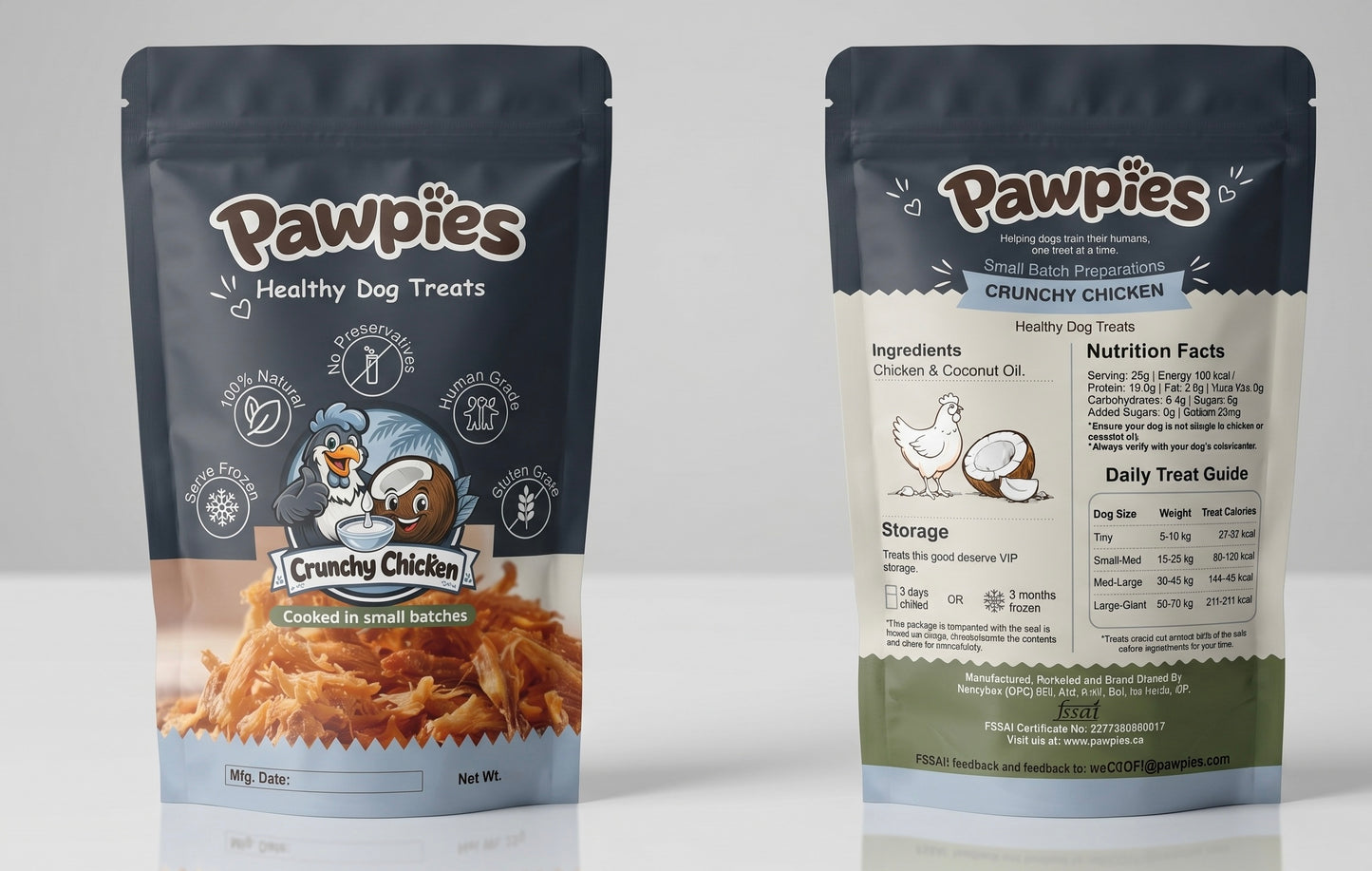
And sometimes, of course, that motivation still comes in the form of a very crunchy chicken.

Disclaimer
This article is based on personal research compiled from publicly available veterinary and animal behaviour resources. It is intended for informational and educational purposes only and should not be considered professional training or veterinary advice. If you have concerns about your dog’s behaviour or training methods, please consult a qualified veterinarian, certified dog trainer, or animal behaviour specialist.
References
American Veterinary Society of Animal Behavior (AVSAB) (2021) Position statement on humane dog training. Available at: https://avsab.org (Accessed: 14 March 2026).
Berns, G., Brooks, A. and Spivak, M. (2015) ‘Scent of the familiar: An fMRI study of canine brain responses to familiar and unfamiliar human and dog odors’, Behavioural Processes, 110, pp. 37–46.
McConnell, P. (2002) The Other End of the Leash: Why We Do What We Do Around Dogs. New York: Ballantine Books.
Overall, K. (2013) Manual of Clinical Behavioral Medicine for Dogs and Cats. St. Louis: Elsevier.
Serpell, J. (2017) The Domestic Dog: Its Evolution, Behavior and Interactions with People. 2nd edn. Cambridge: Cambridge University Press.