Coconut Oil for Dogs
Benefits, Uses, and What Every Dog Parent Should Know
Coconut oil has quickly become one of the most talked-about natural additions in pet care—praised for everything from shinier coats to improved digestion. But how much of this is backed by science, and how much is simply anecdotal? The truth lies somewhere in between. While research on dogs specifically is still evolving, coconut oil’s unique composition—particularly its high content of medium-chain triglycerides (MCTs)—offers a range of potential benefits when used thoughtfully and in moderation.
Where Coconut Oil Fits in a Balanced Diet
Coconut oil works best as a functional ingredient, not a primary nutritional component. It complements a balanced diet but should never replace high-quality protein or essential nutrients.
This is exactly how it’s approached at Pawpies.
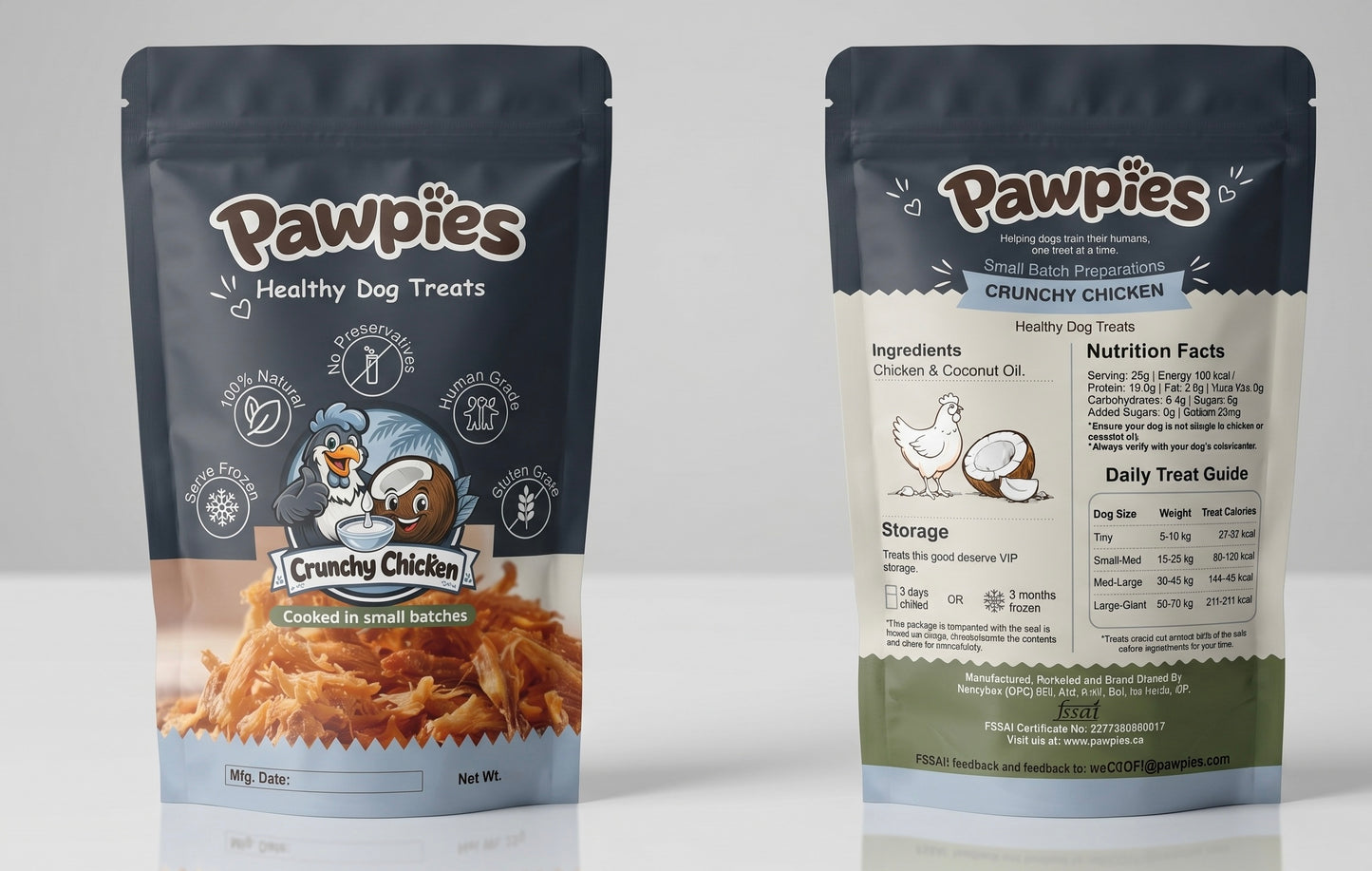
In products like Pawpies Crunchy Chicken, coconut oil is used in small, purposeful quantities—not as a filler, but as a supporting ingredient. It helps enhance texture, palatability, and adds a light functional boost without overwhelming the nutritional balance of lean chicken.
Similarly, in Pawpies Peanut Butter, a touch of coconut oil contributes to:
- A smoother, more consistent texture
- Natural preservation
- Added healthy fats in controlled amounts
The key philosophy is simple: use just enough to benefit, never enough to disrupt balance.
Topical vs Dietary Use: What’s Better?
Coconut oil can be used in two primary ways:
Topical application:
- Best for skin hydration, coat health, and minor irritations
- Lower systemic risk when used appropriately
Dietary inclusion:
- Provides energy and fatty acids
- Must be used in very small quantities
Veterinary guidance generally leans toward cautious use, especially for ingestion, as excessive intake may lead to gastrointestinal upset, weight gain, or even pancreatitis (Morrison, 2024).

What Makes Coconut Oil Unique?
Coconut oil is composed of over 90% saturated fats, primarily in the form of MCTs, which are more rapidly absorbed and metabolised compared to long-chain fatty acids (Maharaj, 2026). These fats are often referred to as “quick energy” sources and are associated with anti-inflammatory and antimicrobial properties (Morrison, 2024).
This composition is what makes coconut oil particularly interesting—not just as a dietary addition, but also as a topical application.
Benefits of Coconut Oil for Dogs
1. Skin Health and Coat Improvement
One of the most widely recognised uses of coconut oil is for skin and coat health. Its antibacterial and anti-inflammatory properties may help soothe dry, itchy skin and support overall skin barrier function (Elliott, 2020).
When applied topically, coconut oil can:
- Hydrate dry or flaky skin
- Reduce irritation and inflammation
- Improve coat shine and texture
The presence of lauric acid allows it to penetrate hair shafts more effectively than many other fats, helping maintain coat integrity and appearance (Elliott, 2020).
2. Antimicrobial and Protective Properties
Coconut oil exhibits antibacterial, antifungal, and antiviral properties, which may help protect against minor infections and external parasites like fleas and mites (Elliott, 2020; Morrison, 2024).
Some studies have even shown coconut oil-based treatments helping reduce parasite load and improve wound healing in dogs, likely due to its ability to inhibit microbial growth (Elliott, 2020).
3. Digestive and Metabolic Support
When consumed in small amounts, coconut oil may support digestion due to its easily digestible MCTs, which are rapidly absorbed in the gut (Morrison, 2024).
Potential benefits include:
- Quick energy source
- Support for gut health and inflammation
- Improved nutrient absorption (theoretical, extrapolated from human studies)
However, it’s important to note that strong, dog-specific evidence is still limited, and many claims are based on broader nutritional science rather than direct canine studies.
4. Cognitive and Cellular Support
Emerging research suggests MCTs may support brain function and energy metabolism, particularly in ageing dogs (Morrison, 2024).
These fats can act as an alternative energy source for brain cells, potentially supporting cognitive health—though again, more targeted research is needed.
Risks and Considerations
Despite its benefits, coconut oil is not risk-free:
- High fat content: Can contribute to obesity and elevated cholesterol
- Digestive issues: May cause diarrhoea or stomach upset if introduced too quickly
- Pancreatitis risk: Particularly in sensitive dogs
- Allergic reactions: Though rare, possible
Additionally, the lack of robust, dog-specific clinical research means many benefits remain suggestive rather than definitive (Elliott, 2020; Morrison, 2024).
Conclusion
Coconut oil sits at an interesting intersection of traditional wisdom and emerging nutritional science. While it offers promising benefits—from improved skin health to antimicrobial support—its role in a dog’s diet should remain supportive, not central.
When used thoughtfully—whether as a light topical treatment or a minimal dietary addition—it can enhance your dog’s overall wellbeing. But like many nutrient-dense ingredients, the real value lies in moderation, quality, and context.
Because at the end of the day, it’s not about adding more ingredients—it’s about adding the right ones, in the right way, for your dog.
References
Elliott, B. (2020) Is Coconut Oil Good or Bad for Dogs? Healthline.
Maharaj, N. (2026) Coconut Oil for Dogs: Is It Really Good for Them? American Kennel Club.
Morrison, B.J. (2024) Coconut Oil for Dogs: Understanding Benefits and Risks. PetMD.